What if we told you we are committed to lowering
our carbon footprint each year
Our approach to sustainability is to understand the needs of a particular project, the context it sits within and then to procure sustainable solutions by working hand in hand with our occupiers, landowners and investors.
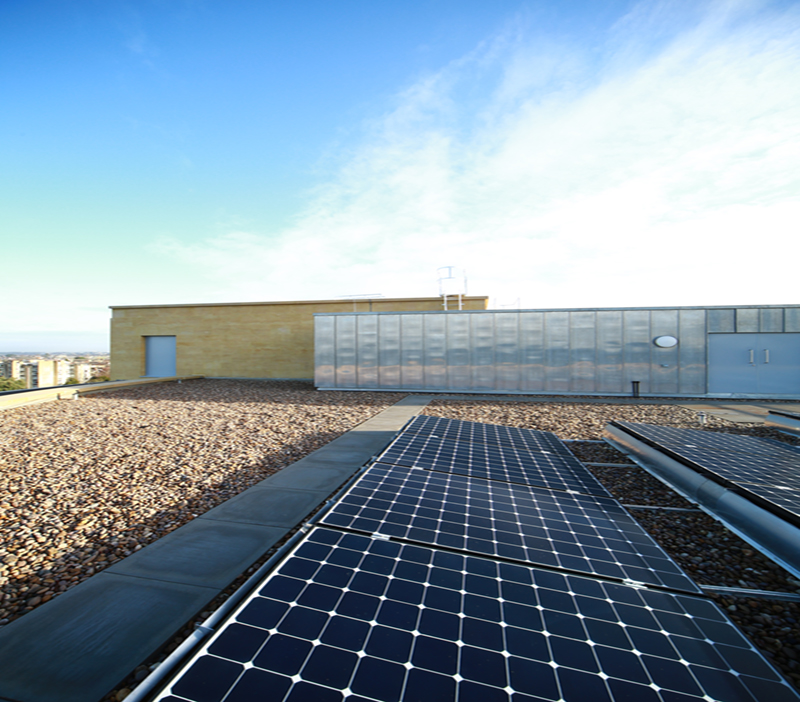
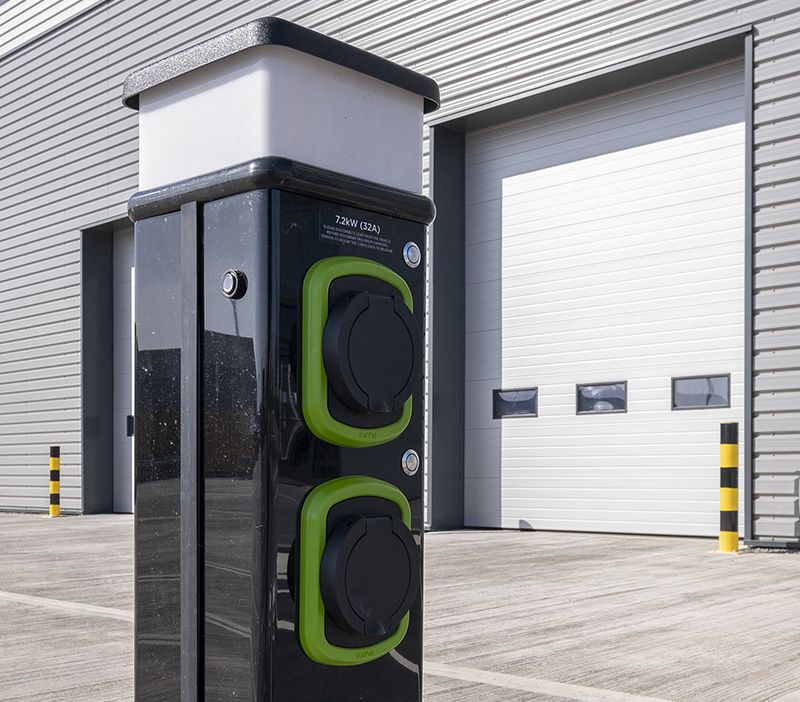
We offer tailored solutions to satisfy all types of development and business requirements, and for any type of business. Whether that be PV panels to help produce onsite energy solutions, or developing a building that promotes sustainable transport means for your employees. At Stoford we don’t just offer options as an afterthought, it is embedded in all our correspondence from the beginning of all our relationships. As an open book business, we believe that what sets us apart from most other commercial property development companies is our commitment to understand your needs, the environment, and our impact on the world we live in.
We know that sustainability is not just about the developments we undertake, it is important that our commitment to the environment is reflected in how and where we work.
We are committing to
reducing our carbon emissions every year
10,000,000 + sq ft of BREEAM
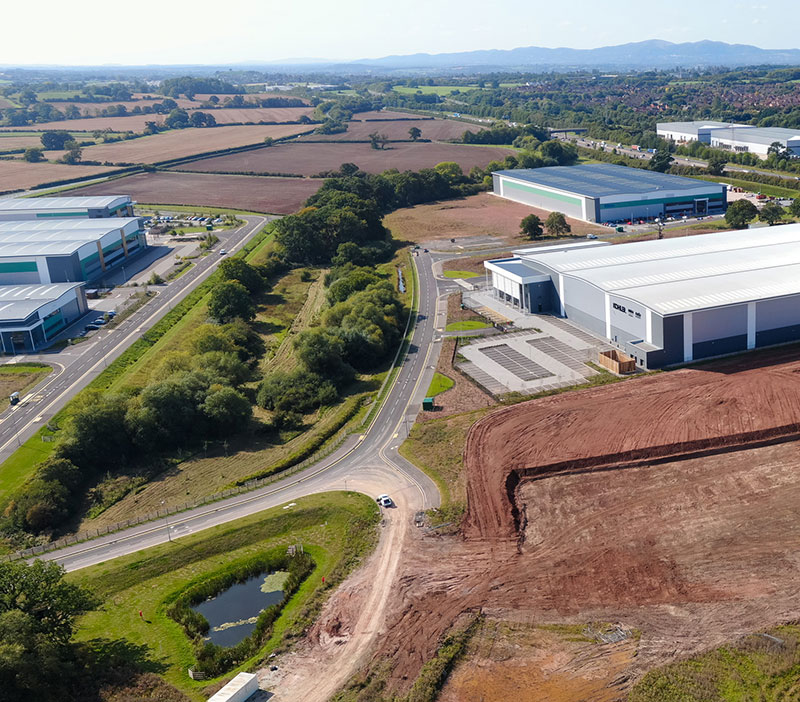
Exemplar developments to date
Every person has an impact on climate change, because of this we believe that we have a responsibility towards the global goals of reducing our carbon footprint.
To do this we need to reduce our carbon emitting activities and increase our corporate social responsibility commitment each year. We are proactive in our contribution to society in terms of employment, work placements, apprenticeships, volunteering, charity donations, procurement, carbon and encourage all our employees to work together to achieve our targets.
We have invested into a greener energy supply by installing PV panels and a battery storage to our own office. We will be able to achieve a 25% reduction in energy purchased from the grid for powering our office.
When working with our local communities we believe that being more sustainable is not just about tangible solutions. Our influence on our communities can have a significant impact on people's lives. We engage in several diverse ways, through both charitable donations and with volunteering our time. If you have any suggestions on how we can help the local communities that we are working within, then please get in touch.
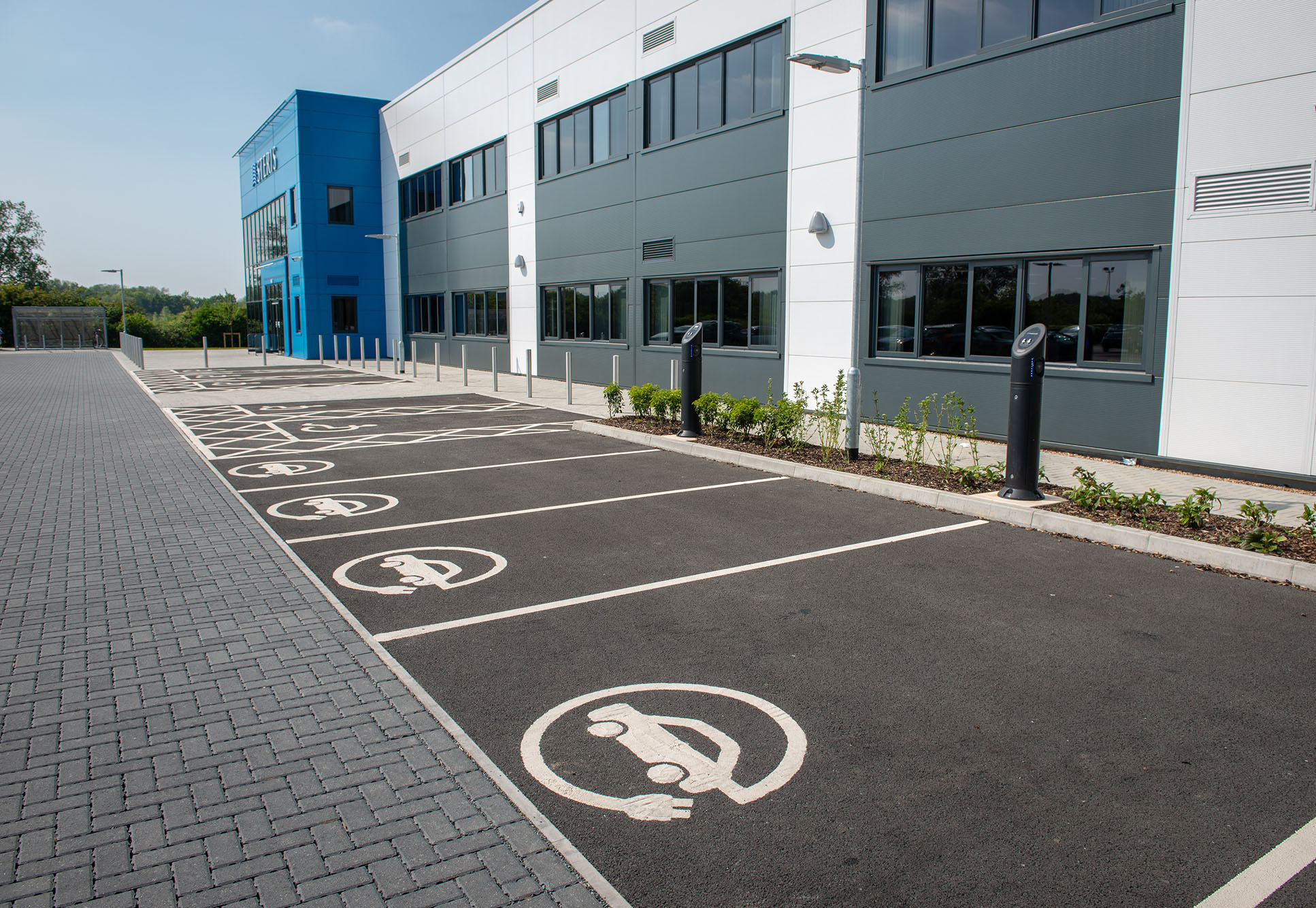
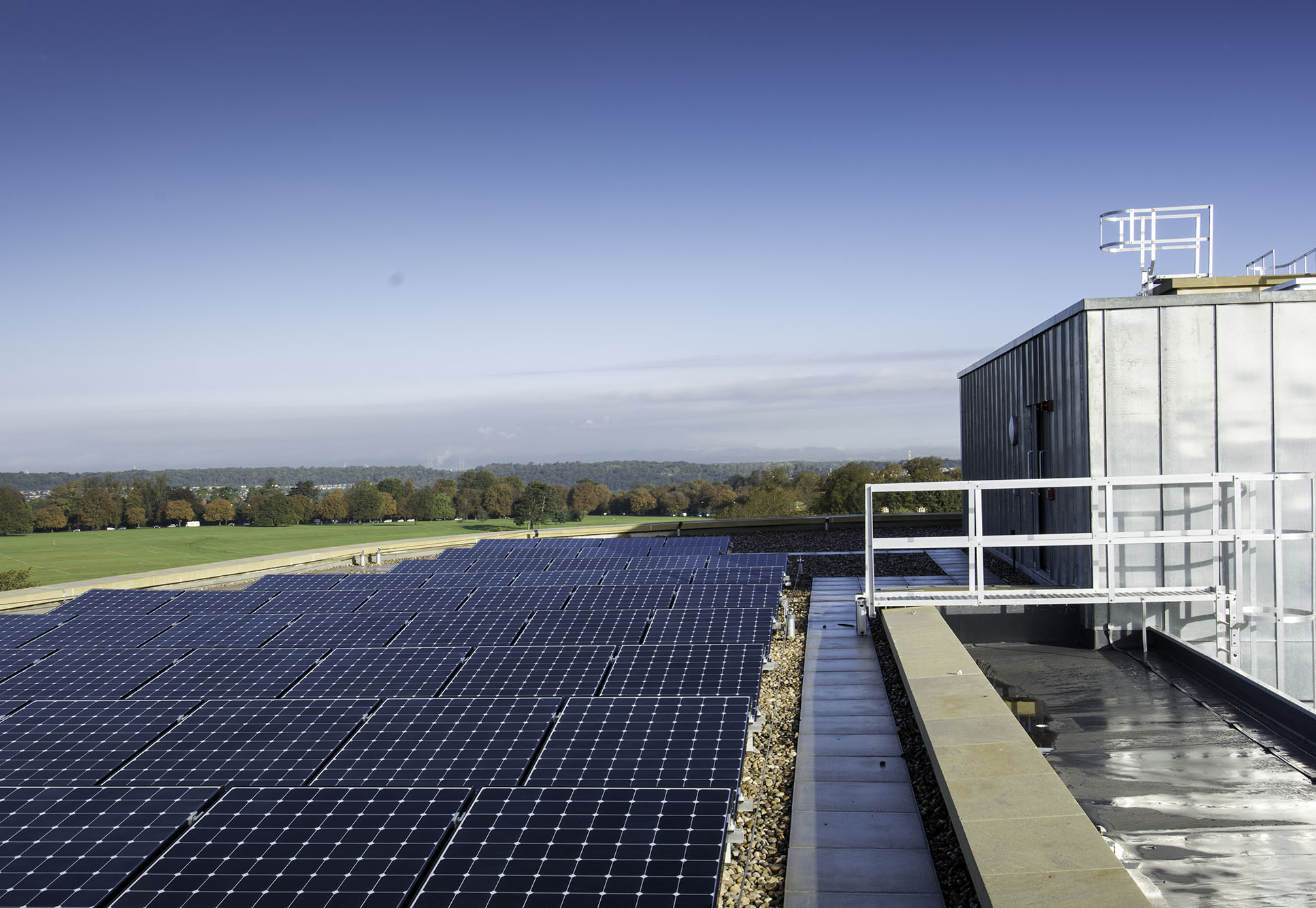
Our occupiers recognise the need to incorporate sustainable solutions within a modern workplace.
Our goal is to help them achieve Net Carbon in Use. Our experienced teams work hand in hand with them to incorporate innovative sustainable solutions, tailored to their working requirements.
Our approach is based firmly on the grounds of delivering buildings of intrinsic low energy demands, then deliver them in the most efficient manner possible (UN Sustainable Goals). A review of suitable low and zero carbon technologies will be undertaken to establish which are the most appropriate for your development. Water conservation is also a key element to a sustainable development. This can include numerous aspects – rainwater harvesting, sustainable drainage systems, low water use sanitary-ware.
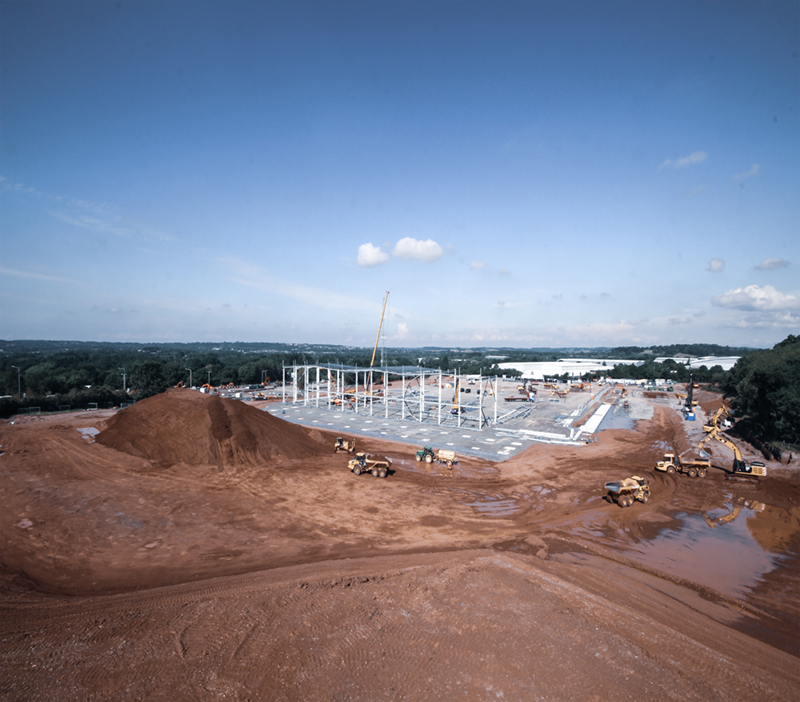
We understand that the team we appoint for your development can also have a significant impact on the environment, therefore we like to work with local contractors to the schemes. Every main contractor that we work in relationship with is ISO 14001:2015 accredited as standard, we ensure that their environmental impacts are monitored, reported, and mitigated. Our trusted contractors source local labour to reduce our environmental carbon footprint per development


